
About MicroVitra
Who We Are
MicroVitra is a science and technology platform exploring the connections between advanced materials, micro-scale engineering, bioelectronics, and biomedical research. Building on the science of fine-wire technologies and glass insulation, MicroVitra examines how material properties and precision-engineered systems contribute to innovation across electronics, biological research, and biomedical technologies.
Through accessible scientific content, educational resources, and research-based insights, MicroVitra aims to make complex scientific concepts understandable and highlight emerging connections between engineering and the life sciences.
What We Do
MicroVitra explores scientific and technological developments across four interconnected areas:
Advanced Materials: Glass-coated wires, electrical insulation, conductive materials, and material properties in demanding environments.
Microtechnology: Miniaturized components, precision engineering, and technologies designed for specialized applications.
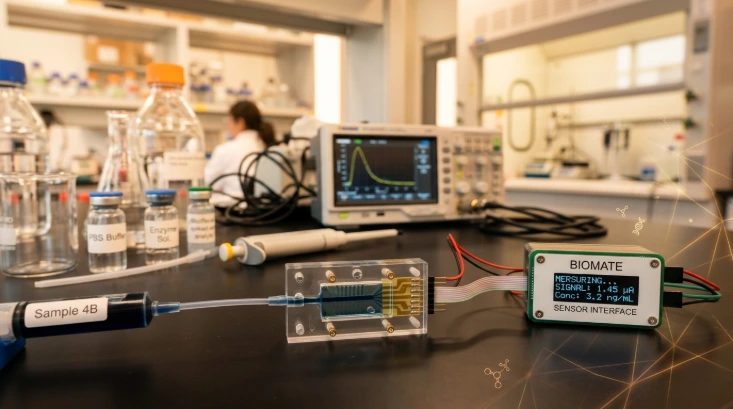
Bioelectronics and Biosensors: The principles behind electronic systems that measure, monitor, or interact with biological processes.
Biomedical Research: Biomaterials, neural interfaces, microfluidics, and emerging technologies supporting scientific investigation.
We connect these subjects through educational articles, scientific references, and explanations of current research.
Our Mission
Our mission is to bridge materials science, precision engineering, and biological research by making scientific knowledge more accessible and highlighting technologies that support innovation across these fields.
We aim to encourage scientific curiosity, promote evidence-based understanding, and help students, researchers, and science enthusiasts explore the technologies connecting materials with living systems.
Our Vision
Our vision is to become a trusted educational resource at the intersection of advanced materials, microtechnology, and bioelectronics. We aim to make complex scientific concepts more accessible by exploring how innovative materials and miniaturized technologies contribute to advances in biosensors, biomedical devices, and biological research. Through reliable scientific information and educational resources, we seek to encourage interdisciplinary learning, support scientific curiosity, and highlight emerging technologies that connect engineering, materials science, and the life sciences.
Open Scientific Resources
Explore trusted scientific databases, public research datasets, and materials-science resources supporting discovery across engineering, bioelectronics, and biomedical research.
Access public materials datasets and scientific information to explore material composition, structure, properties, and measurement methods.
NIST Materials Data Repository — National Institute of Standards and Technology. The repository supports sharing and reuse of materials data, although individual datasets may have different levels of review.
Materials Data Resources — A directory of materials-science databases and repositories.
Find scientific papers and reviews on biosensors, neural interfaces, biomaterials, cellular technologies, and biomedical engineering.
PubMed — Search biomedical and life-sciences literature.
PubMed Central — Access full-text articles available in the public archive.
Europe PMC — Search biomedical literature and discover links to research articles and related resources.
Explore the Science Behind Emerging Technologies
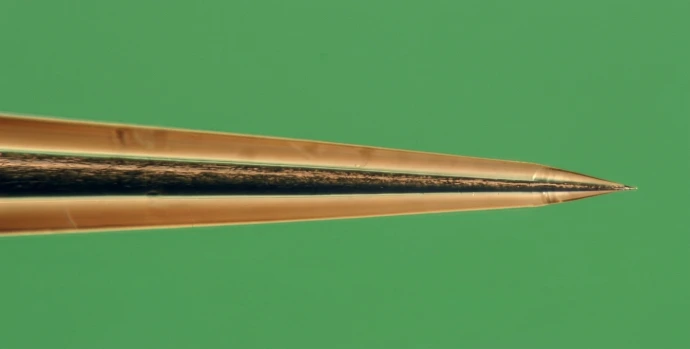
Advanced Materials
Discover how material composition, structure, and surface properties influence the performance of precision components
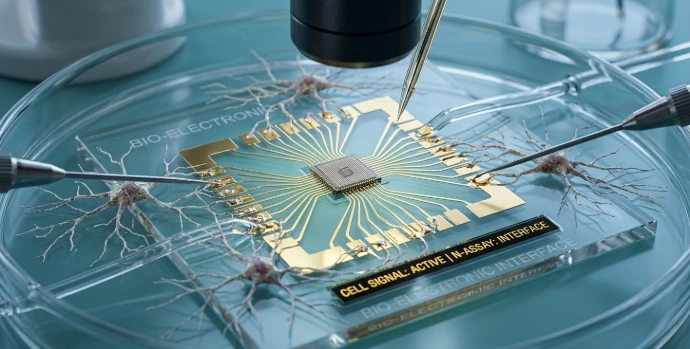
Bioelectronics
Learn how electronic devices record biological signals and help researchers investigate living systems.

Biomedical Technologies
Explore microfluidics, biomedical materials, and miniaturized research tools.
Explore Advanced Materials, Bioelectronics, and Biomedical Technologies
Discover how materials science and engineering connect with modern biological research. From precision components and glass-coated wires to electronic systems that record biological signals, explore the technologies helping researchers understand living systems. Learn how biosensors, microfluidics, and biomedical materials support new approaches to scientific measurement and experimentation.
Explore each topic in more detail to discover the fundamental principles, real-world applications, and emerging innovations connecting engineering with biology.
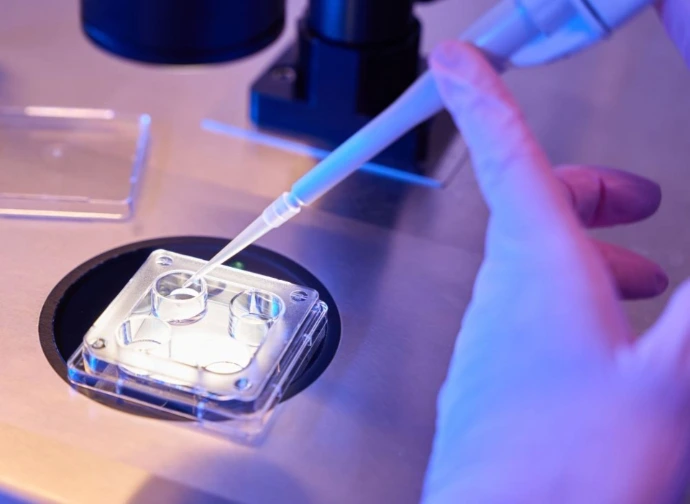
Introduction to Bioelectronics and Biomedical Materials
Explore the relationship between material properties, electronic systems, and biological applications through three beginner-friendly modules.
Materials Science and Glass-Coated Wires
Bioelectronics and Microelectrodes
Biosensors and Biomedical Materials